Tempranillo: Taste, Regions, Pairings and Serving Tips
Tempranillo Taste Profile: Fruit, Acidity, Tannins and Oak
What does Tempranillo taste like?
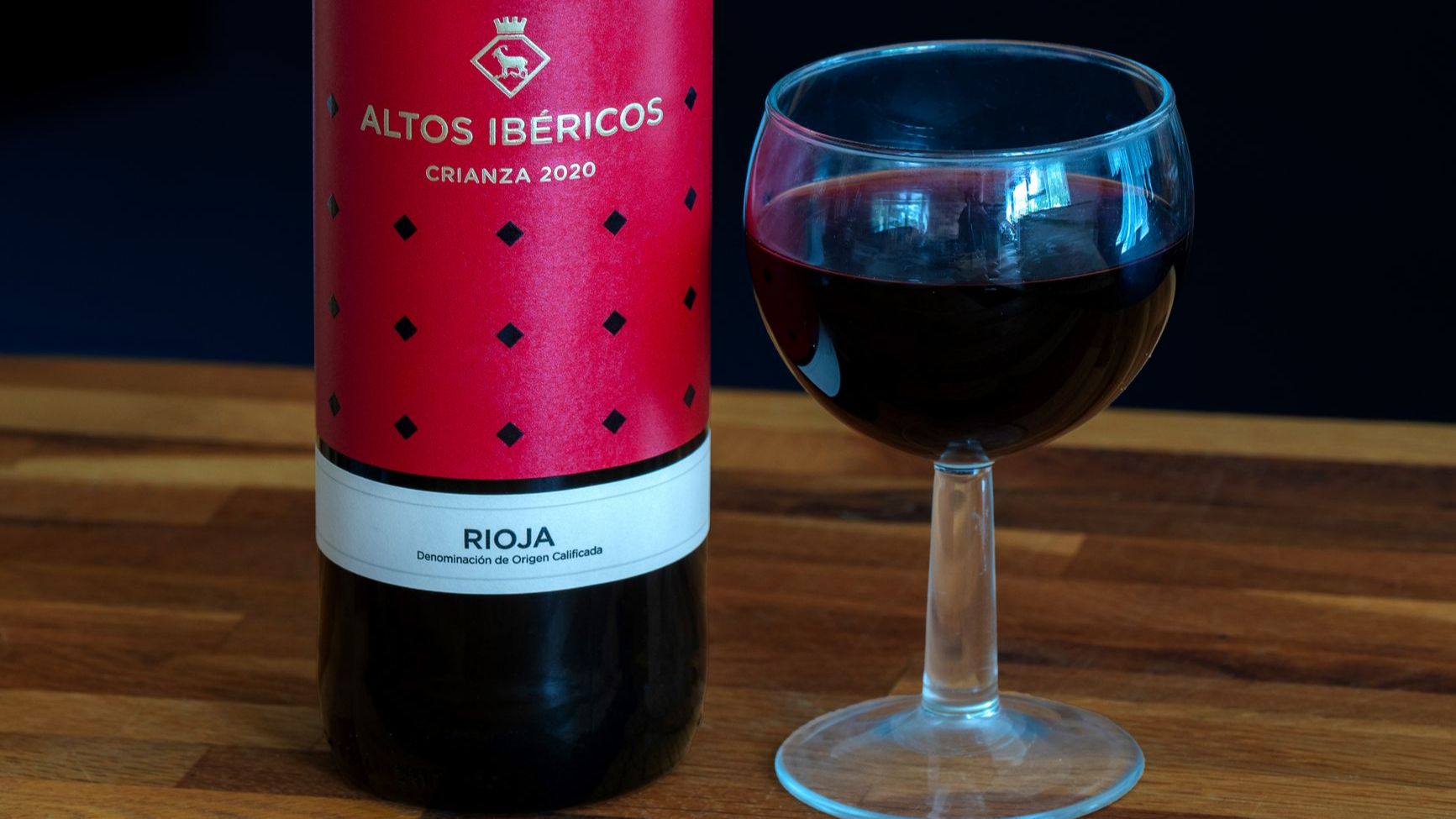
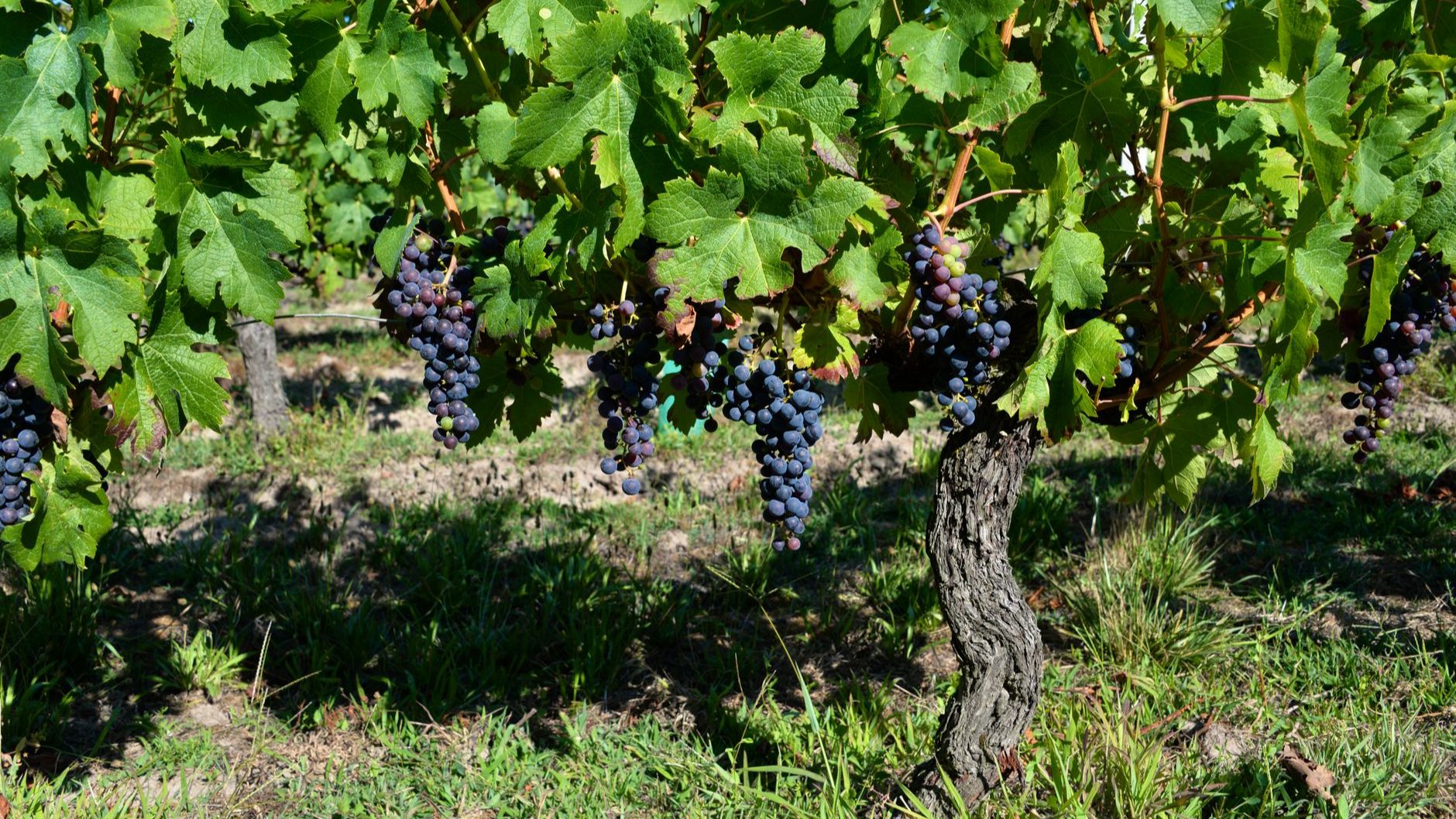
Tempranillo typically tastes of red and dark fruit, with plum, cherry, blackberry, dried strawberry, leather, tobacco and earthy spice appearing according to climate, harvest conditions and maturation. Younger examples often show fresh cherry, raspberry and plum, while warmer or more mature wines develop darker fruit, dried fruit, cedar, vanilla and savoury notes. The grape belongs to Vitis vinifera, the species responsible for most internationally produced wine grapes, and its thick-skinned berries give the finished wine colour, tannin and concentration.
Rioja-style Tempranillo often presents a medium-to-full body with relatively moderate alcohol, noticeable acidity and tannins that range from smooth to firm. A wine from a cooler site may emphasize red fruit and freshness; a warmer site may show blackberry, ripe plum and a broader, denser palate. For a fuller explanation of the grape’s structure and identity, use this Tempranillo grape guide.
- Fruit: Cherry, red plum, raspberry, blackberry and dried fruit.
- Savoury notes: Leather, tobacco, earth, dried herbs and sometimes olive.
- Oak-derived notes: Vanilla, coconut, cedar, toast, clove and baking spice.
- Texture: Medium-to-full body with moderate-to-high acidity and medium tannin.
How do body, acidity and tannins shape the style?
Acidity gives Tempranillo lift, tannin gives it grip, and body determines how substantial the wine feels between those two sensations. Acidity makes the wine taste fresher and helps it work with salty, fatty or tomato-based foods. Tannin creates a drying, gently rough sensation on the gums, especially when the wine is young or served with low-fat food. Body comes from the combined influence of alcohol, extract, ripeness and winemaking rather than from the grape name alone.
This balance explains why Tempranillo can move from bright, easy-drinking red to powerful cellar-worthy wine without losing its basic identity. High extraction, ripe fruit and new oak produce a denser profile; restrained extraction and limited oak preserve cherry, herbs and a leaner finish. Compare that structure with these Grenache wine styles or this Sangiovese wine guide to see how acidity and tannin alter the experience of red wine.
How do oak aging and bottle age change the flavor?
Oak adds aromatic and structural elements, while bottle age gradually integrates tannin, fruit and tertiary aromas. American oak can contribute coconut, dill, vanilla and sweet spice; French oak generally contributes more restrained cedar, toast and spice. The exact result depends on barrel age, toast level, barrel size, time in wood and the wine’s fruit concentration.
“Overall gustatory acceptance scores ranged from 2.85 to 3.64” in a 2024 study of 12 Tempranillo wines aged for 12 months in oak barrels from four U.S. regions. , European Food Research and Technology, 2024
The same study recorded the highest overall gustatory acceptance for Kentucky oak at 3.64, followed by Missouri oak at 3.26, Ohio oak at 3.09 and Pennsylvania oak at 2.85. The result does not mean one oak origin automatically produces better wine; it demonstrates that oak geography can influence sensory perception and phenolic composition. With bottle age, primary fruit usually becomes less prominent while leather, dried leaf, tobacco, mushroom and savoury spice become more apparent.
Tempranillo Regions: Rioja, Spain and Beyond
Why is Rioja the benchmark for Tempranillo?
Rioja functions as the benchmark because Tempranillo dominates its vineyards and the region has developed a recognizable system for expressing both origin and maturation. Spain’s Ministry of Agriculture reported 195,076 hectares of Tempranillo in 2024, making it Spain’s most widely planted grape variety. The Rioja Regulatory Council recorded Tempranillo across 53,030.28 hectares, representing 87.70% of Rioja’s registered productive and non-productive vineyard area in 2024.
Rioja itself contains distinct subzones: Rioja Alta, Rioja Alavesa and Rioja Oriental. Altitude, soil, rainfall, exposure and winemaking choices create different expressions within the appellation. Rioja Alta and Rioja Alavesa frequently produce wines with pronounced freshness and red-fruit definition, while Rioja Oriental often supports riper, fuller expressions. These are broad regional tendencies, not fixed rules for every bottle.
How do Ribera del Duero, Toro and La Mancha differ?
Ribera del Duero generally emphasizes altitude, firm structure and concentrated fruit, while Toro favors power and ripe tannin, and La Mancha offers a wider range of styles shaped by its large continental growing area. In Ribera del Duero, Tempranillo is commonly identified locally as Tinto Fino or Tinta del País. Toro uses the name Tinta de Toro, and the region’s hot, dry conditions often produce dense colour, dark fruit and robust tannin.
| Region | Common style tendency | What to expect in the glass |
|---|---|---|
| Rioja | Freshness plus oak integration | Cherry, red plum, vanilla, cedar and developed savoury notes |
| Ribera del Duero | Altitude and concentration | Dark fruit, firmer tannin and a broader mid-palate |
| Toro | Warm, powerful expression | Dense fruit, higher extraction and pronounced structure |
| La Mancha | Broad stylistic range | From simple, fruit-led reds to oak-aged, concentrated wines |
Where is Tempranillo grown outside Spain, including Clarksburg?
Tempranillo is grown outside Spain in Portugal, the United States, Australia and several other wine-producing countries, with Clarksburg offering a notable California expression. Portugal uses the names Tinta Roriz and Aragonez, particularly in regions such as the Douro, Dão and Alentejo. In the United States, plantings appear in California, Washington, Texas and other warm or Mediterranean-influenced areas.
Clarksburg, in California’s Sacramento Valley, is recognized for diverse wine-grape production and includes Tempranillo among its plantings. The region’s warm days, cooling influence and long growing season can produce wines with ripe plum, blackberry, moderate acidity and a softer texture than many high-altitude Spanish examples. Vineyard site and producer decisions still matter more than the regional name alone.
Tempranillo, Tinta Roriz and Cencibel: What are the other names?
Tempranillo, Tinta Roriz and Cencibel are names used for the same grape variety in different countries or Spanish regions. The University of California, Davis Foundation Plant Services lists Cencibel, Tinta de Toro, Tinto Fino, Tinta del País, Ull de Llebre and Tinta Roriz among the grape’s synonyms. Spain’s official vine-clone documentation also identifies Cencibel, Tinto Fino, Tinta de Toro, Tinta del País and Ull de Llebre as synonyms.
The label name therefore provides geographical information even when the grape remains genetically the same. “Tinta Roriz” points toward Portugal, “Tinta de Toro” toward Toro, “Tinto Fino” toward Ribera del Duero and “Cencibel” toward parts of central Spain.
Tempranillo Styles and Aging Levels: Young, Crianza, Reserva and Gran Reserva
How does youthful or unoaked Tempranillo differ from oak-aged wine?
Youthful or unoaked Tempranillo highlights primary fruit and freshness, while oak-aged Tempranillo adds spice, toast, vanilla and a more integrated texture. A young wine may taste of cherry, raspberry and plum with direct acidity and noticeable tannin. Oak-aged wine usually develops more layers, but excessive new oak can cover the grape’s fruit and make the wine taste sweetly woody or aggressively toasted.
Choose an unoaked or lightly oaked style when you want a flexible red for casual meals, grilled vegetables or slightly chilled service. Choose an oak-aged style when you want more texture with lamb, beef, roast dishes or hard cheese. The label may not always state the oak type, so producer notes, regional conventions and ageing classifications become useful guides.
What do Crianza, Reserva and Gran Reserva mean on a Rioja label?
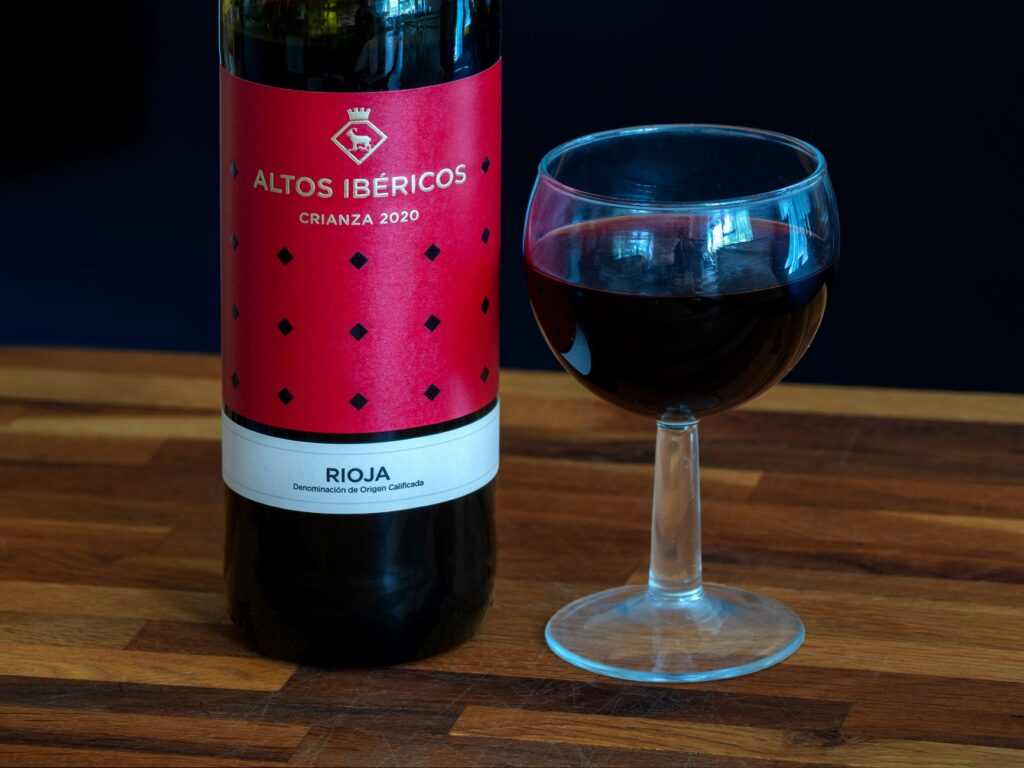
In Rioja, Crianza, Reserva and Gran Reserva describe minimum ageing requirements rather than grape quality alone. According to the Consejo Regulador DOCa Rioja, the categories follow these minimums:
| Rioja category | Minimum total ageing | Minimum oak and bottle requirements | Typical sensory direction |
|---|---|---|---|
| Generic | Usually one to two years | No Crianza, Reserva or Gran Reserva requirement | Fresh fruit and immediate drinking |
| Crianza | At least two years | At least one year in a 225-litre oak barrel | Fruit with vanilla, spice and softened tannin |
| Reserva | At least three years | At least one year in oak and at least six months in bottle | Fruit, wood and developing tertiary aromas |
| Gran Reserva | At least five years | At least two years in oak and two years in bottle | More developed leather, tobacco and savoury complexity |
How does winemaking distinguish the Tempranillo grape from finished wine?
Tempranillo describes the grape, whereas Crianza, Reserva and Gran Reserva describe how the finished Rioja wine was matured. A Tempranillo grape can produce a young red, a long-aged Rioja, a rosé or a sparkling wine depending on harvest decisions and cellar work. Conversely, a Rioja wine may contain authorized varieties alongside Tempranillo, so the appellation category does not automatically mean the bottle contains only one grape.
Ageing also changes the relationship between fruit and tannin. Barrel and bottle time can soften the perception of tannin and create secondary and tertiary aromas, but ageing cannot rescue fruit harvested at unsuitable ripeness or a wine with poor balance. Decanter’s 2026 Rioja report identified €15–€30 as a strong value range for Crianza and Reserva wines in Spain’s domestic market.
Tempranillo blanco and Garnacha: How do related wines compare?
Tempranillo blanco is a white grape variety related to Tempranillo, while Garnacha is a separate grape that often contributes alcohol, red fruit and fullness to blends. Rioja recognizes Tempranillo blanco as an authorized white variety, and Spain’s 2024 vineyard report recorded approximately 813 hectares of the variety. Its wines can show citrus, apple, floral and tropical fruit characteristics, making them structurally different from red Tempranillo.
Garnacha, known as Grenache in many English-language markets, tends to produce softer tannin, generous red fruit and a warmer, broader impression when harvested ripe. Tempranillo usually contributes more acidity, colour and savoury structure. Blending them can combine Garnacha’s plush fruit with Tempranillo’s frame.
Tempranillo Food Pairings: Lamb, Beef, Ham and Hearty Dishes
Which meats pair best with Tempranillo?
Lamb, beef, pork, duck and cured ham pair especially well with Tempranillo because protein, fat and savoury cooking flavours soften its tannin and support its acidity. Rioja Crianza suits roast pork, grilled sausages and tapas, while structured Ribera del Duero or Toro works better with grilled steak, braised beef and slow-cooked lamb.
- For tender grilled meat: Use a fuller Tempranillo with firm acidity and moderate-to-high tannin.
- For slow-cooked dishes: Choose an oak-aged wine with savoury development and integrated texture.
- For cured ham: Select a younger or lightly aged style whose fruit will not overwhelm the salt and umami.
Why do lamb, grilled foods and cured ham work with Tempranillo?
Lamb and grilled foods echo Tempranillo’s savoury, smoky and herbal dimensions, while fat and salt reduce the sensation of tannin. Charring adds bitterness and roasted flavour, so a wine with fruit concentration and acidity prevents the combination from tasting heavy. Jamón or other cured ham brings salt and umami, which make fruit taste brighter and tannin feel less abrasive.
Cooking method changes the match. Rosemary-roasted lamb welcomes mature Rioja, paprika-seasoned pork works with fruity Crianza, and smoky barbecue calls for a riper Tempranillo from Toro or California. A delicate lamb preparation may taste metallic beside a very oaky wine, so the sauce and seasoning should guide the final choice.
Can Tempranillo pair with tomato-based dishes, pizza and roasted vegetables?
Tempranillo pairs with tomato-based dishes, pizza and roasted vegetables when the wine has enough acidity and the dish does not contain excessive sweetness. Tomato acidity can make a low-acid wine taste dull, while roasted peppers, mushrooms, eggplant, onions and lentils connect with Tempranillo’s earthy and savoury notes.
For pizza, choose a young or Crianza style rather than a heavily extracted Gran Reserva. Tomato sauce, cured meat and melted cheese provide enough acidity, salt and fat for the wine, but very spicy chili or sweet barbecue sauce can magnify alcohol and oak. When the dish is strongly hot, heavily sweet or intensely smoky, a fresher red with less oak may perform better.
How to Serve Tempranillo: Temperature, Glassware, Decanting and Storage
What temperature is best for serving Tempranillo?
Serve most Tempranillo at approximately 15.6–18.3°C, or 60–65°F, adjusting downward for lighter young wines and upward only slightly for powerful, mature bottles. Total Wine recommends this range and suggests placing the bottle in a refrigerator for about 20 minutes before opening. A cooler temperature preserves acidity and suppresses alcohol; excessive warmth makes oak and alcohol feel prominent.
Do not interpret “room temperature” as the temperature of a heated dining room. The Wine Society recommends medium-bodied reds at about 16°C or below and fuller reds between 16°C and 19°C. Pour a small sample first, then allow the wine to warm gradually in the glass rather than serving the whole bottle too warm.
Which glass should you use for Tempranillo?
Use a clear, stemmed red-wine glass with a bowl large enough to swirl and concentrate aromas. A broad bowl gives oak-aged Rioja room to release vanilla, cedar, dried fruit and savoury aromas, while a moderate opening directs the wine toward the palate without making the alcohol feel overly intense.
Glass shape cannot repair a flawed wine, but it can change aroma delivery and temperature control. Hold the stem rather than the bowl, fill only one-quarter to one-third of the glass, and swirl gently. This approach also supports a structured wine tasting method.
When should you decant young or oak-aged Tempranillo?
Decant young, concentrated or strongly oaked Tempranillo to expose it to oxygen, and decant mature bottles briefly when sediment removal matters more than aeration. A young Rioja Crianza may benefit from 30–60 minutes in a decanter, while a dense Ribera del Duero or Toro wine may need more time. Taste before deciding; some wines open quickly, while others lose their fruit if left exposed for too long.
Older Reserva and Gran Reserva bottles require a gentler approach. Stand the bottle upright, pour slowly and stop when sediment approaches the shoulder. The Wine Society distinguishes between aeration for young reds and sediment removal for older wines, a practical difference that prevents delicate mature Tempranillo from becoming tired.
How should you store an opened or collectible bottle?
Store collectible Tempranillo horizontally in a cool, dark, stable environment, and keep an opened bottle cool with its closure replaced. Light, heat and repeated temperature changes accelerate unwanted chemical reactions, while a horizontal position helps keep a natural cork from drying out. For an opened bottle, refrigeration slows oxidation; bring the wine back toward serving temperature before drinking.
Drink young Tempranillo within a few days of opening for the clearest fruit expression. Mature wines may change more quickly after exposure, so smaller airtight containers or a preservation system can extend their useful life. Storage beside an oven, in direct sunlight or in a room that swings sharply between day and night undermines the value of the bottle.
Choosing Tempranillo with Confidence: Labels, Quality, Price and Similar Reds
How can you choose between young, Crianza, Reserva and Gran Reserva styles?
Choose young Tempranillo for fruit and freshness, Crianza for balance, Reserva for developed complexity and Gran Reserva for mature tertiary character. This decision works better than treating age category as a simple quality ladder. A well-made young wine may be more enjoyable with pizza than an older bottle, while a mature Gran Reserva may be wasted on a dish dominated by chili or sweet sauce.
| Your preference | Most suitable style | Typical use |
|---|---|---|
| Fresh cherry and easy drinking | Young or Generic | Tapas, pizza and weekday meals |
| Fruit plus gentle oak | Crianza | Grilled pork, burgers and roast vegetables |
| Greater complexity | Reserva | Lamb, beef and mushroom dishes |
| Leather, tobacco and mature savouriness | Gran Reserva | Slow-cooked meat and contemplative drinking |
What should you look for on a Tempranillo label?
Read the region, vintage, ageing term, alcohol level and producer before relying on the grape name alone. A Rioja label may identify Rioja Alta, Rioja Alavesa, Rioja Oriental, a specific municipality or a singular vineyard. Rioja’s municipality-based system covers 144 municipalities, allowing qualifying wines to name a specific municipality of origin.
- Region: Indicates the likely climate and regional style.
- Ageing category: Signals minimum maturation under Rioja rules.
- Vintage: Helps place the wine within its harvest context.
- Producer: Often reveals extraction, oak and blending philosophy more reliably than the category alone.
- Grape wording: Tinta Roriz, Cencibel, Tinto Fino and Tinta de Toro may indicate Tempranillo under a regional name.
How do quality and expected price vary by region and aging level?
Price rises with vineyard selection, production scale, oak and bottle ageing, but region and producer quality prevent any single price rule from working universally. Decanter’s 2026 Rioja report placed the strongest domestic value range for Crianza and Reserva at €15–€30. Similar pricing logic does not automatically transfer to imported bottles, limited-production wines or regions where distribution costs are higher.
Look for balance rather than maximum intensity. A wine with fresh acidity, integrated tannin and oak that supports the fruit often delivers more quality than a heavier wine carrying a higher price. For a first purchase, a reputable producer’s Crianza or Reserva offers a practical way to compare maturation without paying exclusively for rarity.
Tempranillo vs Garnacha, Cabernet Sauvignon and Merlot: What are the key differences?
Tempranillo usually sits between the softer fruitiness of Merlot and the firmer structure of Cabernet Sauvignon, while Garnacha generally offers warmer fruit and softer tannin. Cabernet Sauvignon commonly brings more pronounced blackcurrant character, firmer tannin and a stronger cassis-and-cedar profile. Merlot tends toward plum, blackberry and a rounder palate. Garnacha often shows red berry, spice and higher alcohol when grown in warm conditions.
| Grape | Typical fruit profile | Structure | Common contrast with Tempranillo |
|---|---|---|---|
| Tempranillo | Cherry, plum, blackberry | Fresh acidity and medium tannin | Savoury, balanced and oak-responsive |
| Garnacha | Raspberry, strawberry and spice | Softer tannin, fuller warmth | More plush and alcohol-forward in warm sites |
| Cabernet Sauvignon | Blackcurrant, blackberry and mint | Firm tannin and strong structure | More cassis-driven and powerful |
| Merlot | Plum, blackberry and cocoa | Rounder texture and softer tannin | Less angular and often more immediately approachable |
Tempranillo Pitfalls to Avoid: Misreading Style, Temperature and Pairings
Why can Tempranillo taste too flat, harsh or oaky?
Tempranillo tastes flat when acidity lacks energy, harsh when tannin or alcohol dominates, and oaky when barrel character overwhelms fruit and savoury complexity. Serving temperature can exaggerate each problem. Warm wine amplifies alcohol and oak, while very cold wine suppresses aroma and makes tannin seem harder.
Vintage, producer, extraction, barrel age and bottle condition also matter. A heavily oaked young wine may need air, but decanting cannot remove excessive wood. A high-tannin wine served without protein or fat may seem rough even when the wine is technically balanced. Taste the wine after 10 minutes in the glass before deciding that the bottle is defective.
When should you avoid serving Tempranillo too warm or too cold?
Avoid serving Tempranillo at warm household room temperature or refrigerator-cold temperature because both extremes distort its balance. Wine service guidance from the Wine Society places medium-bodied reds at around 16°C or below and fuller reds at 16–19°C. A 2022 red-wine service guide gives a broader ideal range of 13–18°C, challenging the assumption that every red should be served warm.
If the bottle arrives warm, cool it briefly before opening. If it is too cold, allow it to rise gradually in the glass. This small adjustment often changes the perceived fruit, acidity and tannin more dramatically than changing glassware.
Which foods can overpower its acidity, tannins or oak?
Very sweet sauces, extremely hot chili, delicate seafood and intensely bitter vegetables can overpower or distort Tempranillo. Sugar can make a dry red taste sour and thin, chili can intensify alcohol, and delicate fish may taste metallic beside firm tannin. Excessive artichoke, raw leafy bitterness or strongly vinegary sauces can also create an unpleasant clash.
- Use younger Tempranillo with lighter tapas and tomato-based dishes.
- Use structured oak-aged Tempranillo with lamb, beef, mushrooms and braised vegetables.
- Switch to a softer, lower-tannin red when the dish is sweet, very spicy or delicate.
Next Steps: Explore Tempranillo Through a Guided Wine Tasting
How can a structured tasting compare Rioja, Ribera del Duero and Clarksburg Tempranillo?
A three-wine comparison reveals how climate, altitude, oak and regional identity change the same grape. Pour a young or Crianza Rioja, a structured Ribera del Duero and a Clarksburg Tempranillo at the same temperature. Taste them first without food, then with a shared plate of roast lamb, cured ham, tomato sauce and grilled vegetables.
- Observe colour: Compare ruby, purple and garnet tones without treating deeper colour as automatic proof of quality.
- Smell before swirling: Record primary fruit, then look for oak, herbs and mature savoury aromas.
- Taste for structure: Compare acidity, tannin, alcohol, body and finish.
- Retaste with food: Notice which wine becomes smoother, fresher or more bitter.
- Record the label: Note region, ageing category, vintage and alcohol before forming a final judgment.
Which wine education or tasting service can help refine your palate?
A guided tasting becomes more useful when it records sensory observations consistently instead of relying on vague preference. The 2023 WineSensed study used 256 participants to rank wines by flavour similarity and collected more than 5,000 pairwise flavour-distance judgments. That research supports a practical tasting principle: comparing wines side by side produces more informative sensory data than tasting a single bottle in isolation.
For an advanced exercise, repeat the comparison with one variable changed at a time: Rioja Generic against Crianza, French oak against American oak, or the same regional style served at 14°C and 18°C. The resulting notes can become a personal Tempranillo map, linking grape identity to region, maturation, food and serving conditions rather than treating the label as the whole story.